
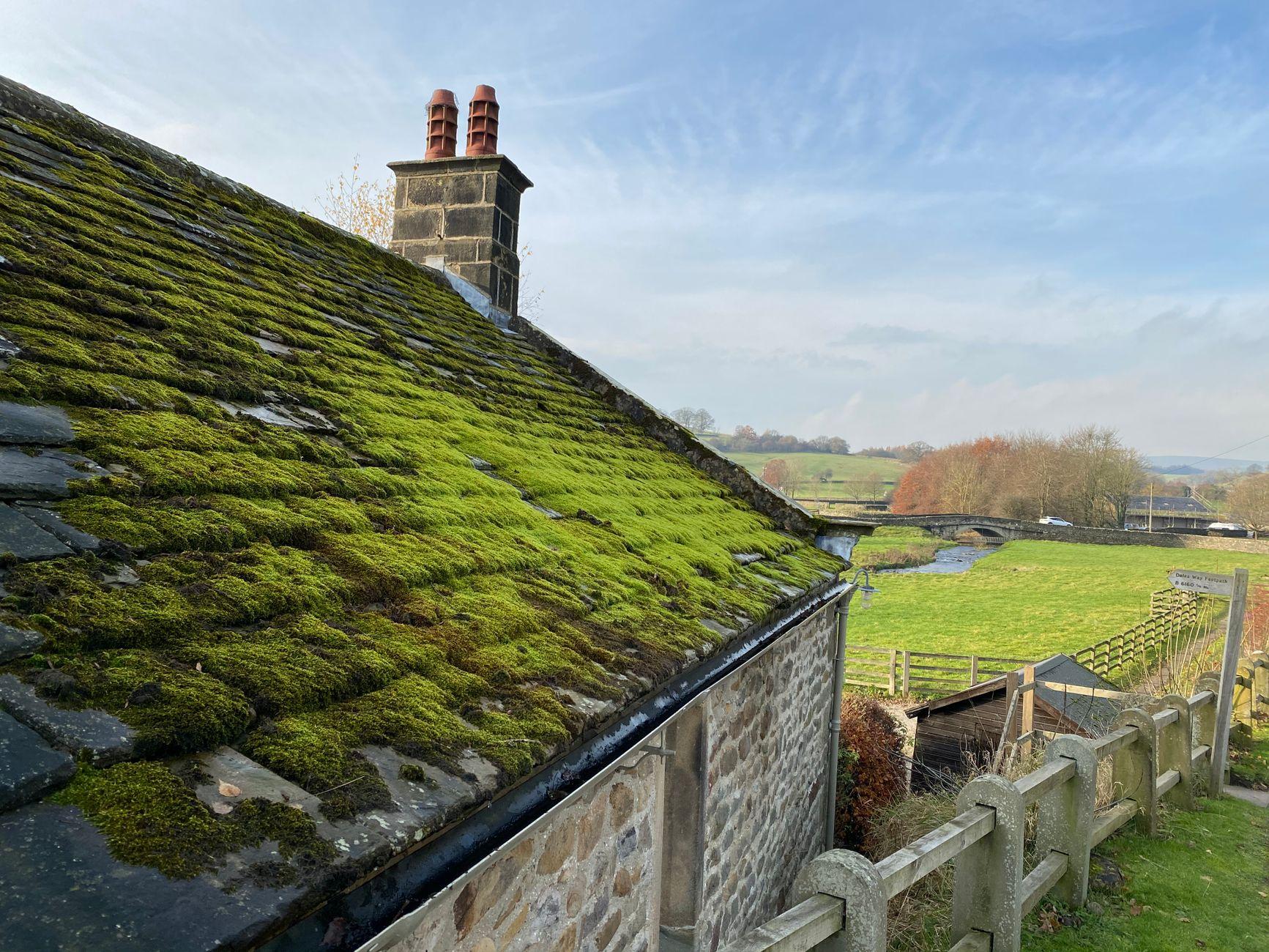
Chimney Liner Installation in Culver City for a Draft That Pulls
Book Chimney Liner Installation
Say what the fire or stove is doing and what you burn. We call back to set a time.
The Job, Start to Finish
Cracked clay tiles let smoke and heat into the brick around them, and a flue too big for a new insert or stove will not draw. A stainless liner sized to the appliance solves both. We look at the old flue on camera, choose the diameter, fit the liner with insulation where clearances need it and seal it at the top. The job is priced in writing after that camera look.
Why the Size and Seal of the Flue Matter
Smoke rises because it is hot, and it rises fastest through a passage that fits it. An old masonry flue was sized for the open fireplace below it, which needs a big passage to carry all the air an open fire pulls in. Put a wood stove, an insert or a gas appliance at the bottom of that same flue and the passage is suddenly far too big. The smoke spreads out, slows down and cools, and cool smoke drops its tar on the walls and drifts out of the top in a low, lazy plume. The appliance does not draw well either, so it smokes on startup and when the door opens. A liner sized to the appliance's outlet fixes that by giving the smoke a snug, smooth path, so it rises fast, stays hot, and leaves the top with force. That is the core of a clean burn from any appliance on an old chimney.
The other reason for a liner is damage. The clay tiles in older chimneys in Culver City crack with age, heat, chimney fires and quakes, and the mortar joints between them wash out. Every crack and open joint is a place where smoke, hot gas and, with gas appliances, acidic moisture can leave the flue and reach the brick, the framing and the rooms beside the chimney. A Level 2 scan shows where those gaps are. When there are too many to repair one by one, a new continuous liner inside the old flue is the fix. It turns a leaking flue into a sealed one again, and it is the step that makes an old chimney fit for a modern appliance. NFPA 211 and the appliance maker both have a say in what liner is allowed, and we follow both.
Fitting a Liner and Pricing It
Most liners we fit are stainless steel, in rigid sections or a flexible run, chosen for the fuel and the shape of the old flue. Wood burning appliances get a heavier wall liner rated for the heat of a wood fire, and many get an insulating wrap, which keeps the smoke hotter on its way up and gives the house an extra layer of protection from the heat of the flue. Gas appliances get a liner rated for gas exhaust and its moisture. The liner is fed down from the roof and joined to the appliance outlet at the bottom with a sealed connection. At the top, the open space between the new liner and the old tile is closed off so rain and cold air cannot get down the gap, and a cap made for the liner keeps water and animals out of the liner itself. When the job is done, the appliance is fired and the draft is checked.
A liner is priced in writing once we know the appliance it will serve, the height of the chimney, the inside size of the old flue, and whether the old tile has to be cut or broken out to make room. Those things decide the diameter, the type of liner, and how much work goes into the install. If the liner is part of a gas insert, it is included in the insert's range, $2,800 to $5,600 fitted. If you are lining for a wood stove or wood insert, the liner gets its own line on the written figure. If you are not sure what you will burn in the next few years, tell us at the visit, because sizing a liner once for the appliance you will actually use saves paying for it twice. Use the contact page to book a visit.
How Dexter Chimney Sweep Works
Price on Paper
Set prices or a written figure before anything starts
Draft Test
A test fire lit and watched at the end
Nothing Added
No extra work without your yes on the day
Clean Room
Floors covered and a HEPA vacuum running
Where we book chimney liner installation
Our home cities each have a page for this job, with the houses, the weather and the ZIP codes we cover there.
No city by that name on this list. Try the nearest one.
Other jobs we do
Chimney Sweep
Creosote and soot brushed out of the flue so the fire draws well and less smoke spills back into the room.
See this jobChimney Inspection
Flue, firebox, damper and cap checked to find what makes a fire smoke, stall or leave a smell.
See this jobChimney Repair
Flue, brick and cap repairs that keep smoke and heat inside the chimney, away from the attic and the room.
See this jobFireplace Inspection
Firebox, damper, smoke chamber and hearth checked for the faults that push smoke out under the mantel.
See this jobFireplace Repair
Firebox, damper and smoke chamber repairs for fireplaces that smoke, stain the mantel or waste heat.
See this jobChimney Level 2 Inspection
A recorded camera pass through the whole flue, booked at a sale, after shaking or before a new appliance.
See this jobChimney Cap Installation
A screened cap that keeps rain and birds out, holds sparks back and helps the chimney draw.
See this jobChimney Flashing Repair
Roof line metal refitted so winter rain stays out and a dry chimney keeps drawing well.
See this jobChimney Masonry Repair
Brick and mortar work on the stack so heat and smoke stay in the flue and the chimney stands firm.
See this jobChimney Rebuilds
A loose or leaning stack rebuilt with matched brick, a new flue, a fresh crown and a spark cap.
See this jobFireplace Cleaning
Ash, soot and old debris cleared from the firebox, grate and smoke shelf so new fires catch cleanly.
See this jobGas Fireplace Cleaning
Burner, logs and glass cleaned so a gas fire burns blue and leaves no soot behind the glass.
See this jobGas Fireplace Repair
Gas fireplace faults fixed, from controls to burners, and sooty yellow flames traced to their cause.
See this jobFireplace Remodel
A new face, hearth or fuel for an old fireplace, with sealed gas units for a cleaner fire.
See this jobFireplace Inserts
A sealed gas or wood insert set into your fireplace with its own liner, for more warmth and far less smoke.
See this jobPellet Stove Repair
Feed, fan and ignition faults fixed so a pellet stove burns hot and clean instead of smoky and sooty.
See this jobWood Stove Repair
Seals, baffles, firebrick and glass put right so a wood stove burns hot, clean and with little smoke.
See this jobGas Logs
Gas log sets that give the look of a wood fire with no wood smoke, matched to your opening and gas line.
See this jobChimney Seismic Retrofit
Bracing or a lighter top for brick chimneys that could fall in a quake, priced after we see the stack.
See this jobChimney Crown Repair
Cracked or crumbling crowns sealed or recast so the top of the chimney stays dry and the flue draws.
See this jobDryer Vent Cleaning
Lint cleared from the duct out to the wall hood so the dryer vents freely and runs cooler.
See this jobChimney Leak Repair
Water getting in at the crown, cap, flashing or brick tracked down and stopped, so the flue stops smelling sour.
See this jobChimney Waterproofing
A vapor-open water repellent for chimney brick, put on after repairs so the stack sheds rain and still dries.
See this jobChimney Damper Repair
Seized, warped or rusted dampers freed, repaired or replaced so the fire draws and the house keeps its warmth.
See this jobChimney Chase Cover
Rusted chase tops on factory-built chimneys replaced with stainless covers made to fit.
See this job