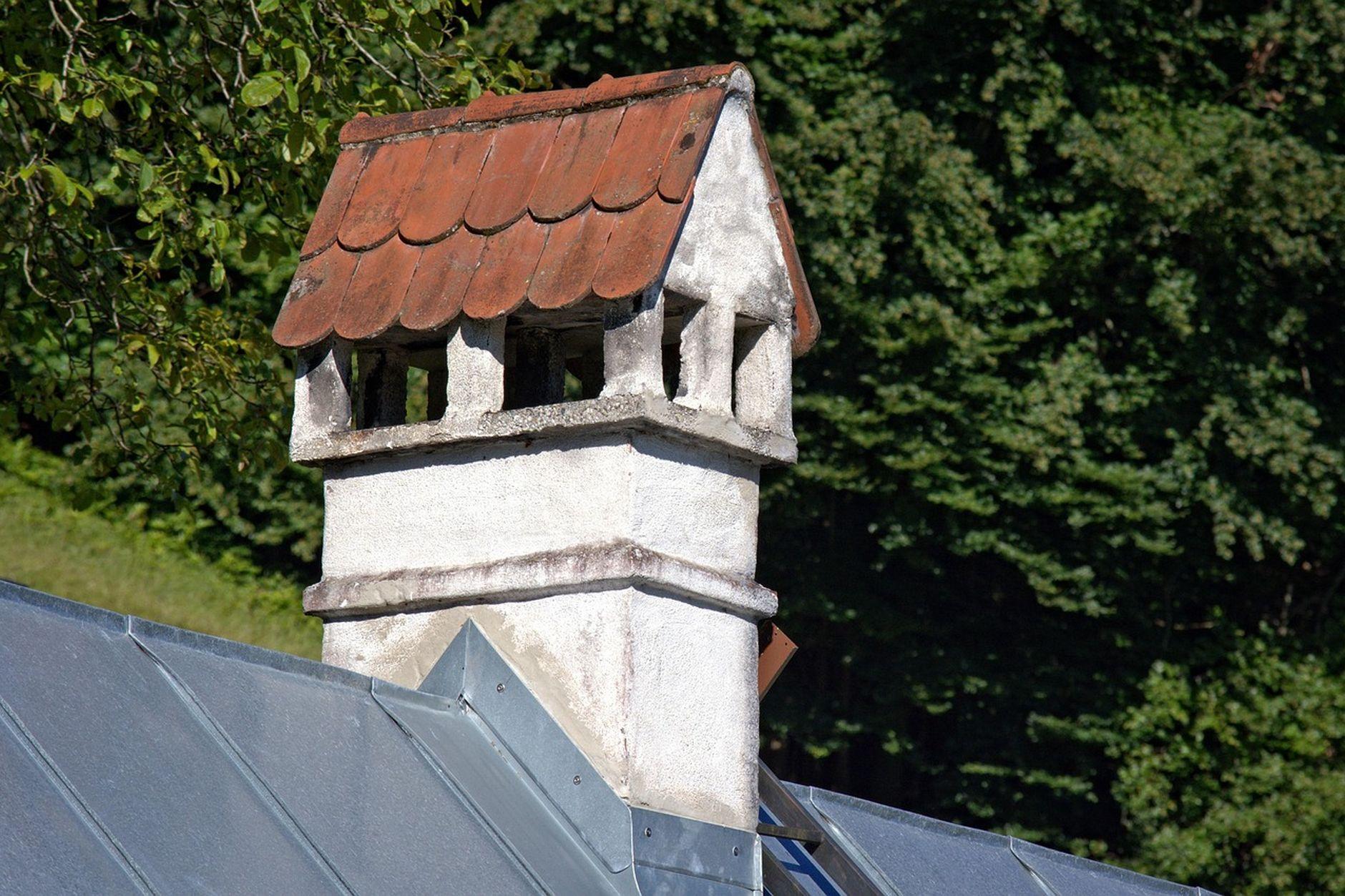
The flue decides how clean the fire burns
Owners spend a lot of time choosing a new wood stove or gas insert and very little on the passage that carries its exhaust away. Yet the flue decides how well the appliance works. A clean-burning stove venting into a flue that is cracked, oversized or unlined will smoke, foul its glass and coat the chimney with creosote. A gas insert with a poor vent path can spill its exhaust back toward the room. In Culver City we quote a chimney liner on a large share of insert and stove jobs for exactly that reason.
When a liner is part of the job
A new liner usually comes into the conversation in one of these situations:
- An insert or stove is going into an old masonry fireplace. Most inserts are designed to vent through a continuous pipe from the appliance to the top of the chimney, not into the open space of an old flue.
- The camera shows cracked or missing clay tiles. Gaps let heat and exhaust reach the brick and the framing beside it.
- The flue is far larger than the appliance. A small modern stove's exhaust cools in a big flue, so the draft weakens and creosote forms quickly.
- The chimney was built without any liner. Many older brick chimneys in the area have bare brick on the inside.
- Shaking has damaged the tiles. After a strong quake, cracked or offset tiles are a common find on a camera run.
Each of these turns up on a Level 2 inspection, which sends a video scope through the flue for $390. Our chimney liner installation page describes the work.
The kinds of liner we quote
Three types cover nearly every house we see:
- Stainless steel, flexible or rigid. The usual choice for inserts and stoves. It runs from the appliance outlet to a cap at the top in one piece, and for wood it is often wrapped in insulation.
- Aluminum. Used only for some gas appliances, where the maker allows it.
- A cast-in-place lining. A mortar mix formed inside the old flue, used for some masonry chimneys that have to keep their original shape.
The appliance maker's instructions usually set the type and size. We follow them, because a liner sized wrong for the stove gives back the same smoky draft the liner was meant to fix.
What sets the figure
A liner is quoted in writing for each house rather than given a fixed price, since several things vary a great deal from one chimney to the next:
- Height. A single-story bungalow stack and a two-story chimney differ by many feet of pipe.
- Diameter and type. Set by the appliance. Insulated wood-stove liners cost more than plain gas liners.
- Bends and offsets. A flue that jogs sideways inside the chimney is harder to line than a straight one.
- The smoke chamber and damper. Sometimes the damper frame has to be cut back to let the liner pass.
- The top of the chimney. A cracked crown or failing cap is repaired at the same time, since the liner's top plate and cap sit on it. A new cap alone is quoted after we measure.
After the camera run and the measurements, the quote lists the liner type, its diameter and length, any crown or damper work, and the total. Ask for a liner quote with your insert or stove
Liner and insert together
When a liner goes in with a new insert, both jobs are planned as one. The insert price we publish, $2,800 to $5,600 for a gas unit in an existing masonry fireplace, already includes the vent pipe the insert needs up the existing chimney. A separate liner quote applies when the flue needs more than that, for example a wood-burning insert with an insulated liner, or repairs to tiles that will stay in service.
Our gas insert cost guide sets out the insert side of the figure, and buying a house with a wood stove explains how a missing liner shows up in a home purchase.
What a good liner changes
Clients who reline under a stove usually notice the same things. The stove lights more easily and comes up to temperature sooner. The glass stays clear for longer. The puff of smoke when the door opens goes away. And at the top of the chimney, the plume thins out once the fire is hot, which is what the neighbors see. A properly sized liner also collects less creosote, so sweeps come back lighter.
For gas inserts the gain is quieter but just as real. A sealed vent path carries the exhaust all the way out instead of letting it wander through a cracked old flue, and the carbon monoxide alarm in the hall stays silent. Owners who rent out a unit or share a wall with a neighbor tend to value that part most, since the flue is not something the people next door can see.
Questions we hear about liners
Can a liner go in without a new appliance? Yes. An open wood fireplace with cracked tiles can be relined on its own, and it will draw better for it.
Does relining change the look of the chimney? Only the top: a new cap and, sometimes, a top plate over the old flue.
Where we install liners
We fit liners in Culver City, Inglewood, Lawndale and Manhattan Beach. Before any liner goes in, the flue is swept, which on its own is from $420 through our chimney sweep service.
Start with the flue
If a new stove or insert is on your list this year, use the contact page to set up a camera look at the flue first, and the liner and appliance can be quoted together.
Want a Cleaner Fire at Home?
Dexter Chimney Sweep works from Culver City. We test the draft, name what is holding the fire back and put each fix in writing, with an insert or gas logs priced alongside when they would do more than a repair.