You are buying the stove and everything above it
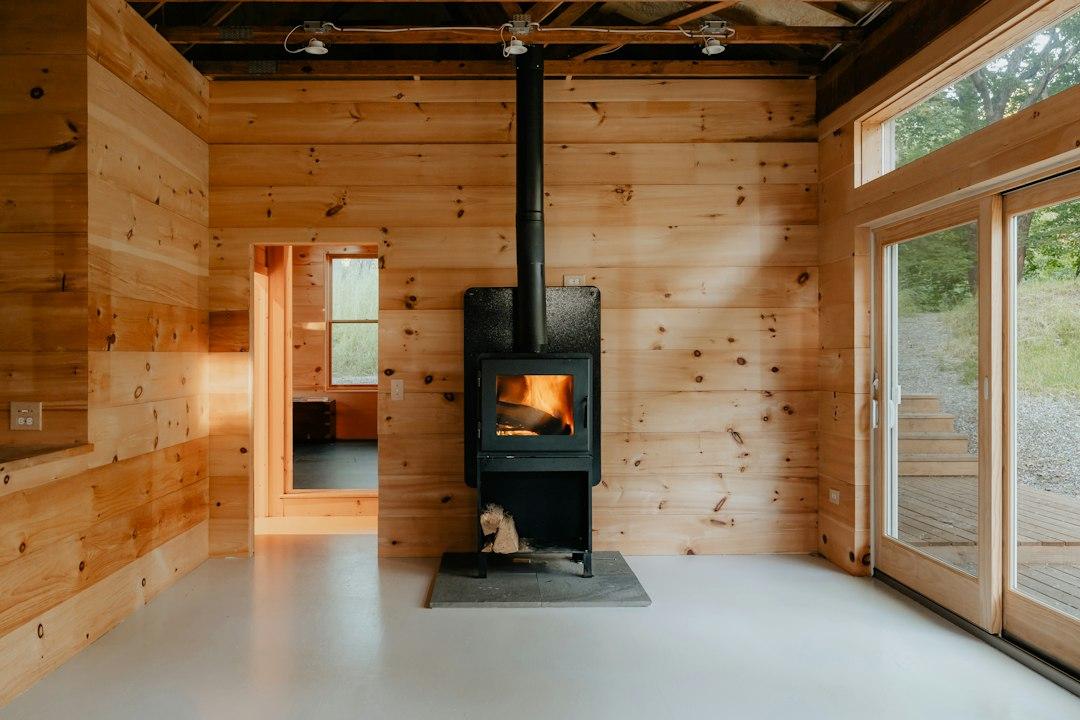
A wood stove in the listing photos looks like a bonus. Once escrow closes it is yours, along with the connector pipe, the flue it vents into, the crown and cap on the roof, and whatever smoke it sends toward the house next door. Buyers in Culver City rarely have a chance to light it before they sign. A chimney inspection during the contract period is how you find out whether that stove burns clean, burns smoky, or should not be lit at all.
Why a sale calls for a Level 2
Across the US, chimney crews and inspectors measure their work against NFPA 211. That code splits inspections by depth, and it reserves the middle one, the Level 2, for moments when the history of a chimney is unknown or something about it has changed. A change of owner is one of those moments. So is a new appliance, a chimney fire, or a strong quake.
Our Level 2 inspection is $390. It covers everything a basic look covers and then goes further:
- A video scope through the full length of the flue, recorded, so you see the inside of the liner yourself
- The stove or insert itself: door seal, glass, baffle, firebrick and the connector pipe
- Clearances from the stove and pipe to the wall, the floor and any wood trim
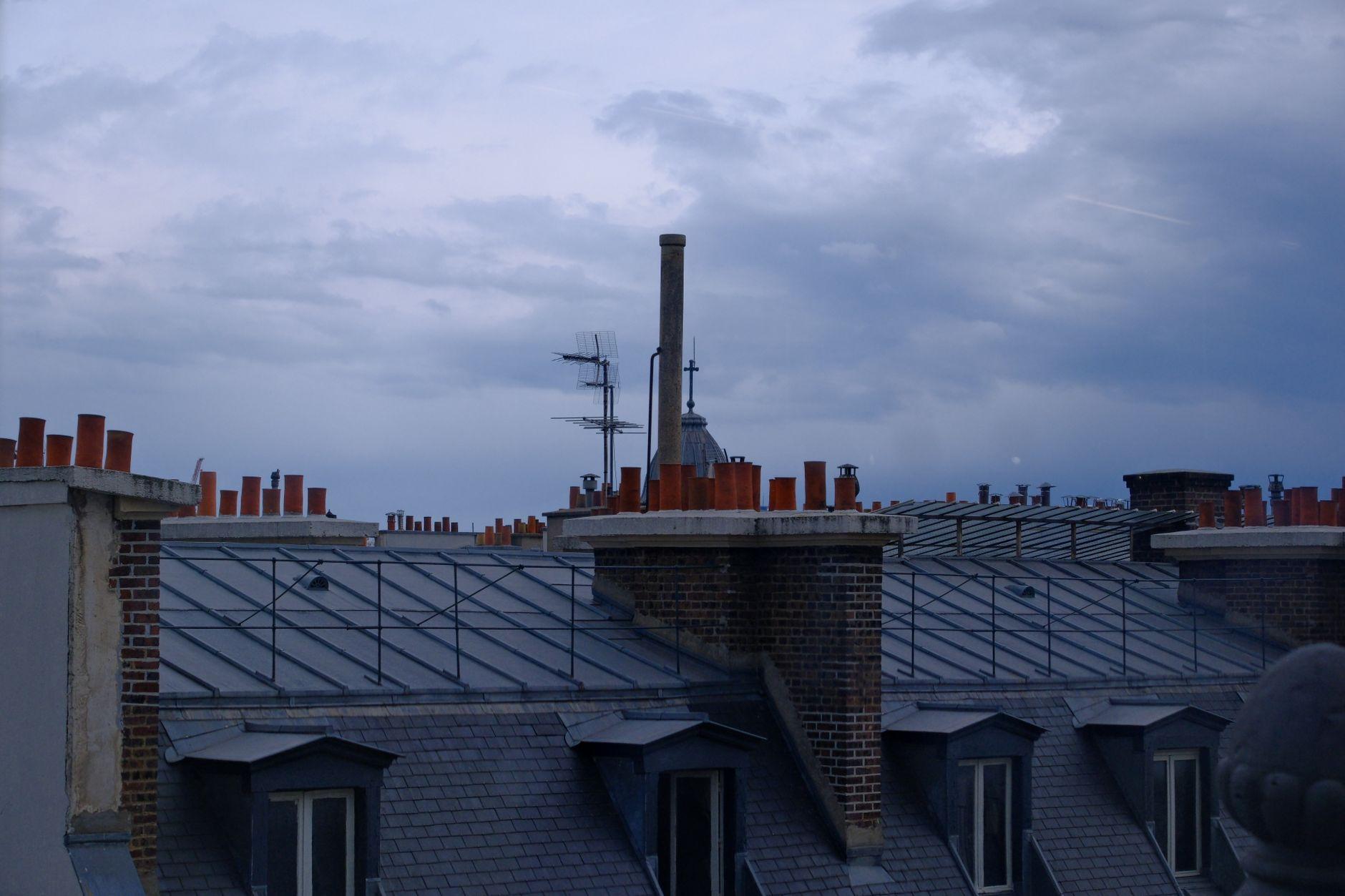
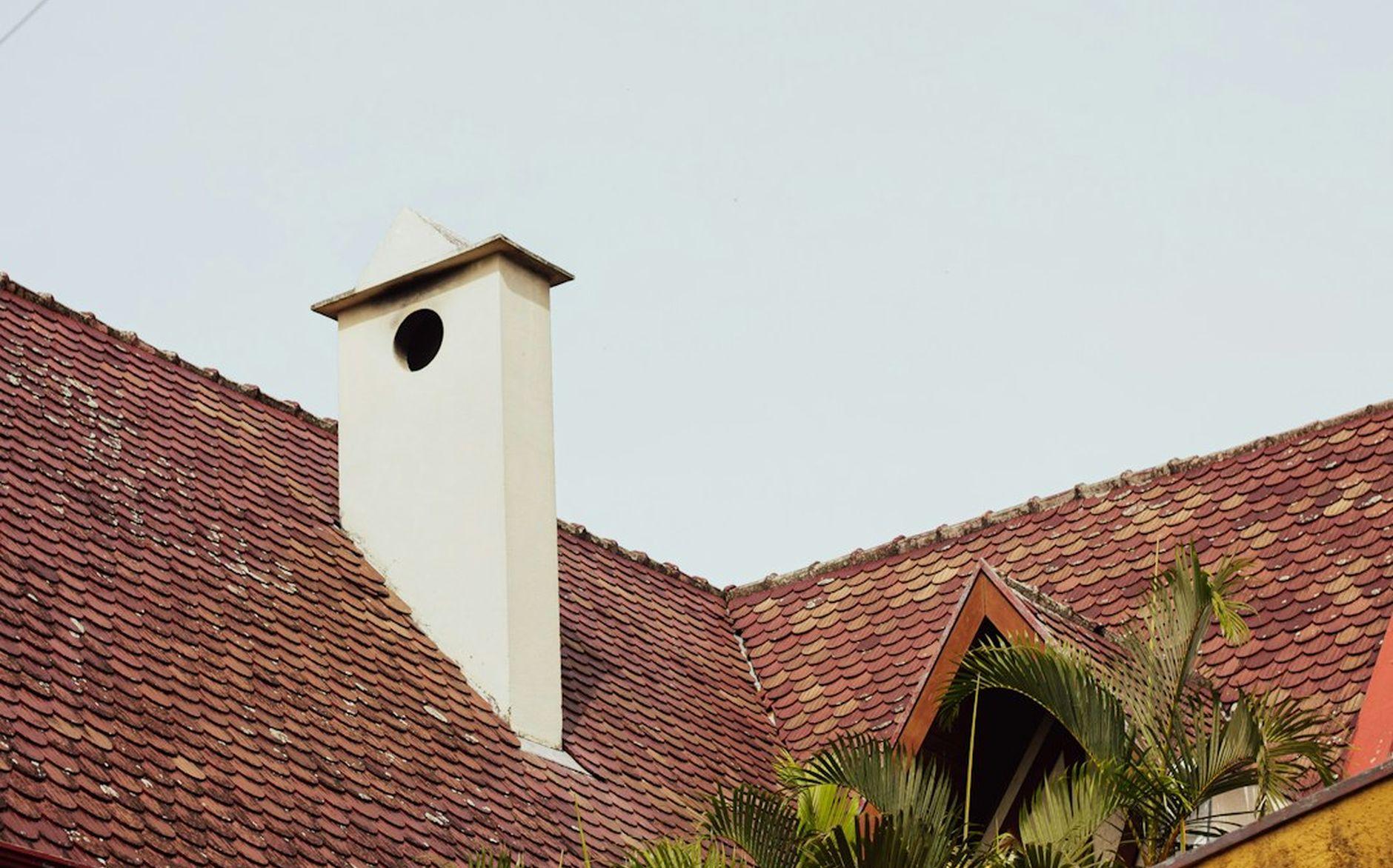
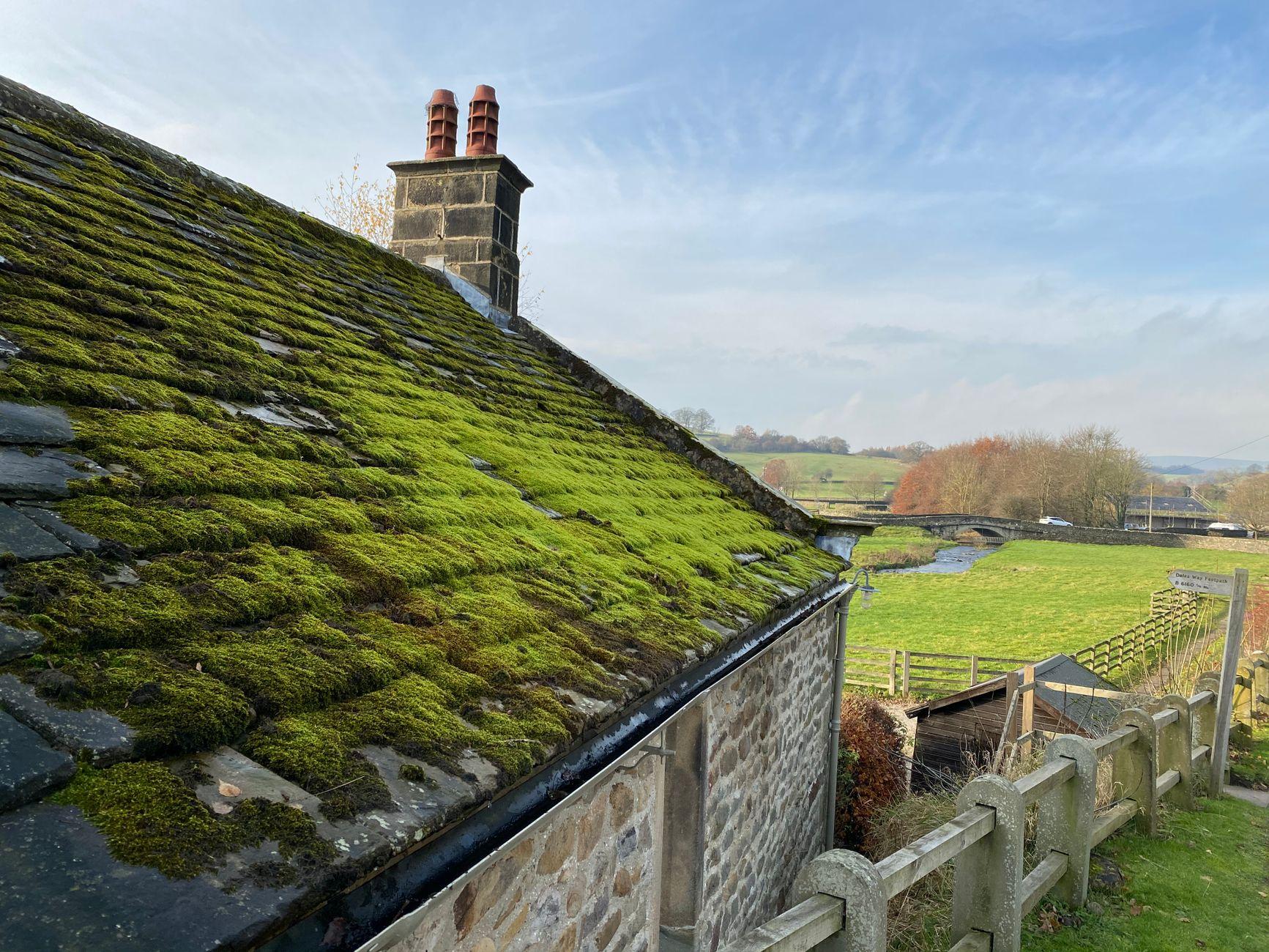
- The parts of the chimney in the attic and on the roof: framing gaps, the crown, the cap and the flashing
- A written report with photos, finding by finding
What we find in stoves that change hands
Wood stoves bought with a house tend to share a few faults:
- Clearance problems. A stove moved closer to the wall during a remodel, or a hearth pad that is too small, puts heat where it should not be.
- A connector pipe that was never meant to stay. Single-wall pipe with loose joints, or pipe run through a wall without the right thimble.
- A flue too large for the stove. A small modern stove venting into a big old masonry flue without a liner cools its smoke, which then condenses as creosote and drafts poorly.
- Worn burn parts. A cracked baffle, missing air tubes or a flattened door gasket turn a clean stove into a smoky one.
- Old creosote glaze. A sign the stove was run slow and smoky for years.
None of these stop a sale. All of them are better found while the price can still move.
Older Culver City houses add their own layer. Many were built with a masonry fireplace that a later owner fitted with a stove, and the paperwork for that change is often missing. The camera run shows what was actually done: whether a liner runs from the stove outlet to the top, or whether the stove simply exhausts into the old open flue. Quake shaking over the decades can also leave clay tiles cracked or shifted where nobody can see them from the room.
What the findings mean for the deal
Each finding in the report carries one of two things: one of our published figures, or a note that it is quoted in writing after a closer look. For example, a flue that needs sweeping before use is from $420. A damaged cap is quoted after we measure, and its size and metal drive the price. A missing liner or a cracked baffle depends on the house and the stove, so those are quoted separately once the parts are identified.
That gives you something concrete to take into the repair request or credit discussion, rather than a vague note that the stove needs attention. If you want to know where that leaves your deal, ask for the Level 2 with written figures for each repair. Book a Level 2 for the house you are buying
Questions buyers ask us
The general home inspector already looked at it. Is that enough? A general inspection covers the whole house in a few hours and usually notes the stove from the room, without a camera in the flue or a close look at the stove's internal parts. Where the general report says a specialist should look further, the Level 2 is that further look.
Can I use the stove the week I move in? If the report comes back clean, yes. If it flags creosote or a damaged part, the sweep or the repair comes first.
What about no-burn days? South Coast AQMD can call them over the winter in Culver City and across most of the LA basin. A wood stove, however clean, stays unlit on those days. If that matters to your plans for the house, our post on open hearths against inserts compares the alternatives, and what a gas insert costs gives our figures.
Does the seller need to be home? No. Someone has to let us in and the roof has to be reachable. Agents usually arrange access.
For sellers and agents
If you are on the selling side, an inspection before listing means the buyer's report carries no surprises. Our home sale inspection page is written for that case, and agents will find the booking process on the page for real estate agents.
Where we inspect
We inspect stoves, inserts and fireplaces for buyers across Culver City, Inglewood, Lawndale and Manhattan Beach. The Level 2 inspection page describes the visit in full.
Before the contract period ends
To get the stove and its chimney on paper while the deal can still change, reach us on the contact page with the property address and the name of whoever will open the door.
Want a Cleaner Fire at Home?
Dexter Chimney Sweep works from Culver City. We test the draft, name what is holding the fire back and put each fix in writing, with an insert or gas logs priced alongside when they would do more than a repair.