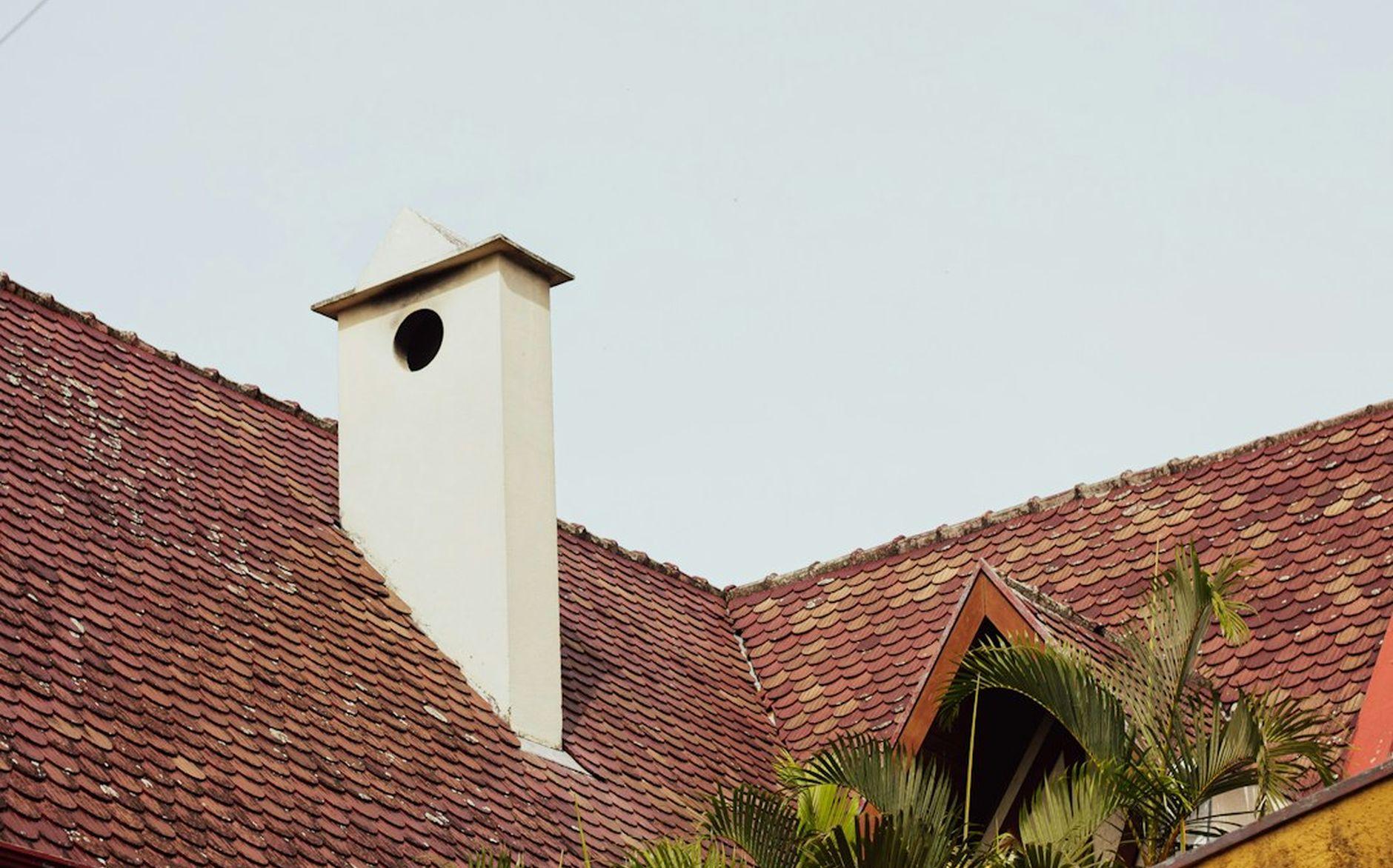
Three ways to have a fire, three amounts of smoke
Owners in Culver City who want to keep a fire in the living room but send less smoke into the house and the street usually end up choosing between three setups: the open masonry hearth they already have, a wood-burning insert or stove, and a sealed gas insert. Each one heats differently, smokes differently and costs differently. This comparison sets them side by side so the decision is about facts, not habit.
The open hearth
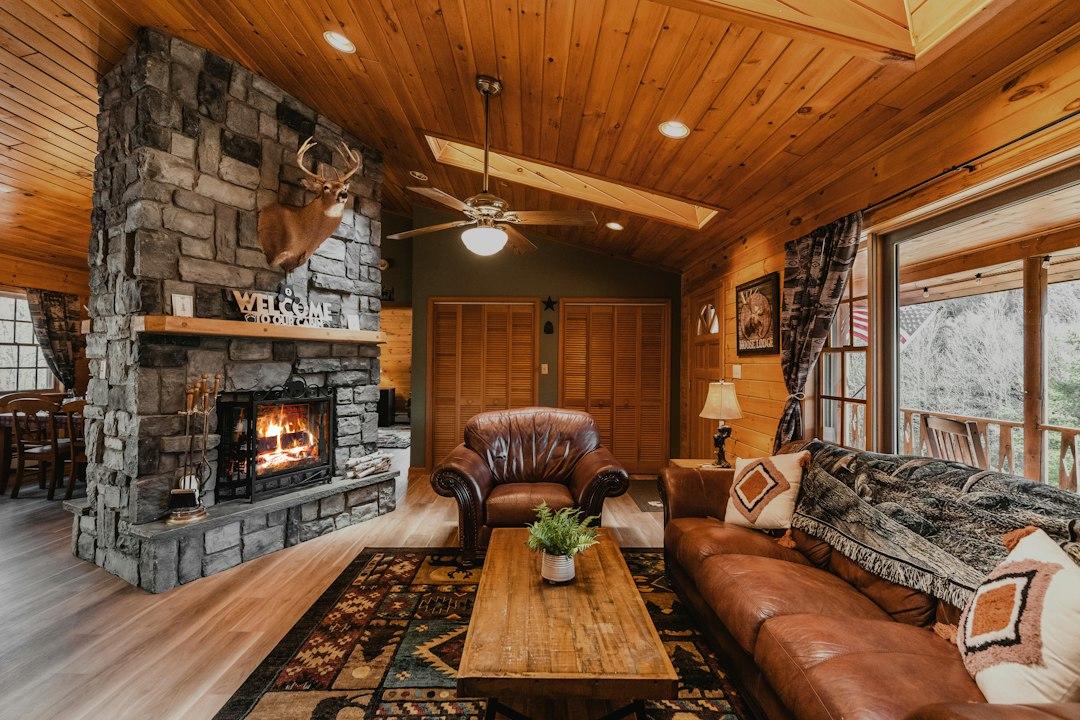
The traditional brick fireplace is the dirtiest of the three. It burns at a low temperature with an unlimited supply of room air, so a lot of the wood leaves as smoke rather than heat. Much of the warmth rises straight up the flue, and the draft pulls heated air out of the house to replace it. On a still evening that smoke settles in the street, and with the windows open it finds its way back indoors.
What it has going for it: it is already there, and with a regular sweep and dry, split hardwood it can be used safely. Our chimney sweep is from $420, and a Level 1 inspection is $55.
What it cannot do: burn on a no-burn day, or heat a room well.
The wood stove or wood insert
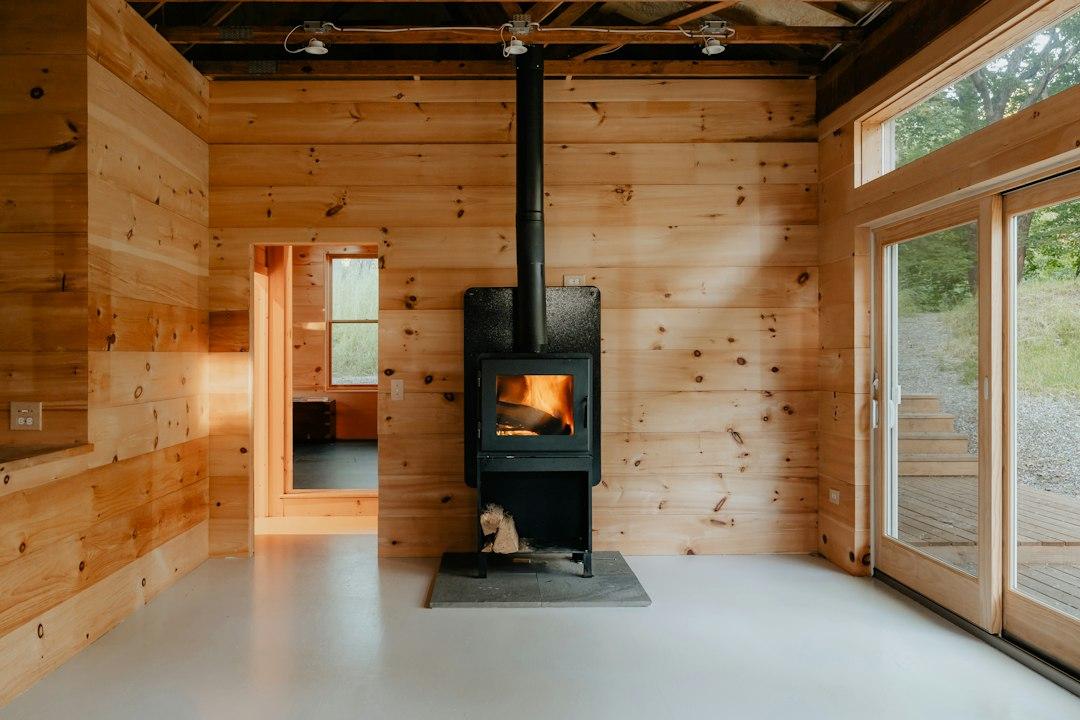
A modern wood stove, freestanding or set into the old firebox as an insert, closes the fire behind a door and controls its air. The firebox runs hot, and a second burn above the main fire consumes much of the smoke that an open hearth would send out. The result is far more heat from the same armful of wood, and a chimney top that shows a faint shimmer rather than grey plumes once the stove is up to temperature.
It still burns wood, so it still produces some smoke, especially when lit cold or loaded with damp logs. It still sits idle on a no-burn day. And it needs care: gaskets, baffle and air tubes wear, and a worn stove slides back toward smoky burning. Our post on hiring for wood stove repair covers that side.
A wood insert price depends on the unit, the liner and the opening, so it is quoted in writing after we measure.
The sealed gas insert
A gas insert sits in the old firebox, closed behind glass, and vents through its own pipes up the flue. There is no wood smoke at all, no ash and no creosote. Heat comes off the glass and from a blower, and the flame starts with a switch.
Our installed figure for an insert in an existing masonry fireplace is $2,800 to $5,600. Where there is no fireplace and the unit needs its own new wall or roof vent, the figure is $4,500 to $9,000. The gas insert cost guide explains what moves each.
A gas insert is not covered by the wood-burning curtailment, so it can be used on a no-burn night.
Side by side
| Open hearth | Wood stove or insert | Sealed gas insert | |
|---|---|---|---|
| Smoke into the street | Heavy | Light once hot | None from wood |
| Smell indoors | Common | Occasional | None from wood |
| Heat into the room | Poor | Strong | Good |
| Usable on a no-burn day | No | No | Yes |
| Yearly care | Sweep and inspection | Sweep, gasket and baffle checks | Service and vent check |
| Our price | Sweep from $420 | Quoted after measuring | $2,800 to $5,600 installed |
What decides the right choice for your house
The table settles most cases, but a few things in the house can tip the decision:
- The flue. An insert of either kind needs a sound path for its vent pipes. If the flue tiles are cracked or the chimney was built without a liner, a new liner is part of the job. Our liner quotes post explains how that is priced.
- The opening. Very shallow or arched fireplaces limit which inserts fit.
- Gas at the hearth. No gas line means a line is run, which adds to the gas route.
- Who is near the chimney. A second-story neighbor window a few feet from the stack makes the smoke question more pressing.
- How you use the fire. An occasional holiday fire and a nightly heat source call for different answers.
The visit that settles it includes a sweep where needed, a camera look at the flue, measurements of the opening and a check for gas. You receive a written comparison of the routes that suit your fireplace, each with its figure. Book a fireplace comparison visit
Burning cleaner while you decide
If you keep the open hearth for now, the way it is used makes a real difference to the smoke it sends out: dry, seasoned hardwood rather than green wood, smaller and hotter fires rather than a smoldering pile, and a damper opened fully before lighting. A flue swept before the season pulls better, which means less smoke turning back into the room. None of this makes an open hearth clean, but it does make it less smoky.
Our area
We compare and install fireplace options across Culver City, Inglewood, Lawndale and Manhattan Beach. Details of insert work are on our fireplace inserts page.
Pick the setup that suits your street
To weigh the three for your own fireplace, reach us through the contact page with the address and the fuel you lean toward, and we will set a time to measure.
Want a Cleaner Fire at Home?
Dexter Chimney Sweep works from Culver City. We test the draft, name what is holding the fire back and put each fix in writing, with an insert or gas logs priced alongside when they would do more than a repair.