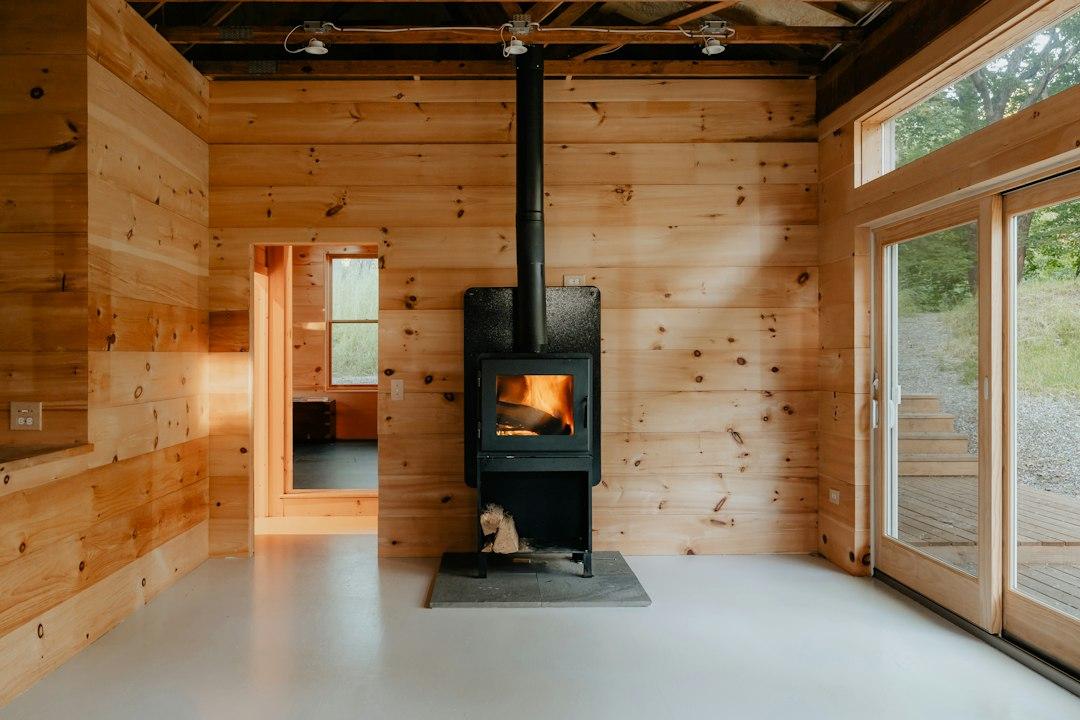
A stove that smokes has stopped doing its job
A wood stove earns its place by burning hot and clean. When one starts puffing smoke into the room as the door opens, coating its glass black within an hour, or going through a week of wood in three nights, it has drifted away from the clean burn it was built for. That usually means a worn part, a blocked passage or a flue that no longer pulls the way it should, and every one of those sends more smoke into your living room and over the fence.
This post is for Culver City owners deciding who to call. It covers what a repair visit should find, how we put a figure on the work, and what to ask any company before you book.
The faults we see most
Most stoves we open in the Westside and the South Bay share a short list of problems:
- Tired door and glass gaskets. The rope seal flattens and lets in air the stove was never meant to get. The fire runs wild, the glass soots up and the room smells of smoke.
- A cracked or sagging baffle. The plate above the fire holds heat in the top of the box so the smoke burns a second time. When it warps or cracks, that second burn weakens and the smoke goes straight up the flue unburned.
- Burned-out secondary air tubes. The perforated tubes under the baffle feed the clean-burning flame. Missing or split tubes leave a lazy, orange, smoky fire.
- A spent catalytic combustor. On stoves that use one, a clogged or crumbling catalyst stops cleaning the exhaust, and the stove smokes like an old model.
- A dirty or poorly sized flue. Creosote narrows the passage, and a flue that is too large for the stove cools the smoke so it lingers and spills.
Each of these makes the stove dirtier to run. None of them is something to patch with a tube of sealant and hope.
What the repair visit covers
A proper wood stove call starts cold, with no fire in the box. The technician:
- Opens the door and checks the gasket seal all the way round
- Looks at the firebrick, the baffle and the air tubes for cracks, gaps and warping
- Checks the catalyst on stoves that use one
- Sweeps the connector pipe and the chimney when they hold soot
- Checks the clearance from the stove body and pipe to walls, trim and the floor
- Notes the make and model so the right parts are ordered
You get the findings in writing with photos of each fault, and a written price for the repair. If the stove is past repair, the report says so plainly.
How the repair is priced
Wood stove repair has no fixed price at our company, because two stoves rarely need the same parts. The written figure depends on:
- The make and model, and whether the maker still supplies parts
- Which parts are worn: a gasket set is a small job, a new baffle or catalyst a larger one
- Whether firebrick has to come out to reach the damaged part
- The state of the connector pipe and the flue above it
- Whether the chimney needs a sweep first, which is from $420
If all you want is a look at the chimney the stove vents into, our Level 1 inspection is $55. Once the stove has been opened and the parts identified, the written quote lists each one. Request a wood stove repair visit
Questions for any repair company
Before you book with anyone, ask:
- Will you inspect the stove cold and tell me which parts are worn, in writing?
- Do you sweep the flue on the same visit if it needs it?
- Will you name the parts and their source before ordering?
- Do you check clearances to the wall and floor, or only the stove itself?
- If the stove is not worth fixing, will you tell me?
A company that only replaces gaskets will not tell you about a warped baffle. A company that only sweeps will not open the firebox. You want one visit that covers the stove, the pipe and the chimney together.
Repair, replace or switch fuel
Sometimes fixing is the clean choice. A sound steel body with a fresh gasket set, new tubes and a sound baffle can burn like the day it was installed. Other times the body is cracked, parts are long gone, or the stove was never designed for a clean second burn at all.
When that is the case, we lay out the options side by side: a modern wood stove built to current smoke limits, a pellet stove, or a sealed gas insert. Our post on what a gas insert costs gives our installed figures, and open hearth against insert on smoke explains the difference in what each sends out of the chimney.
Burn days and your stove
South Coast AQMD can declare no-burn days through the winter in Culver City and the rest of its basin area. On those days a wood stove stays unlit no matter how clean it runs. A repaired stove still earns its keep on the burn days in between: it uses less wood for the same heat, and less of what it burns ends up as smoke drifting across the street.
Where we work
We repair wood stoves across Culver City, Inglewood, Lawndale and Manhattan Beach. The wood stove repair page has more on the visit and the parts involved.
Get the stove looked at
When the glass will not stay clear or the room smells after every fire, let us know the make of the stove through our contact page and we will book a cold-stove visit.
Want a Cleaner Fire at Home?
Dexter Chimney Sweep works from Culver City. We test the draft, name what is holding the fire back and put each fix in writing, with an insert or gas logs priced alongside when they would do more than a repair.