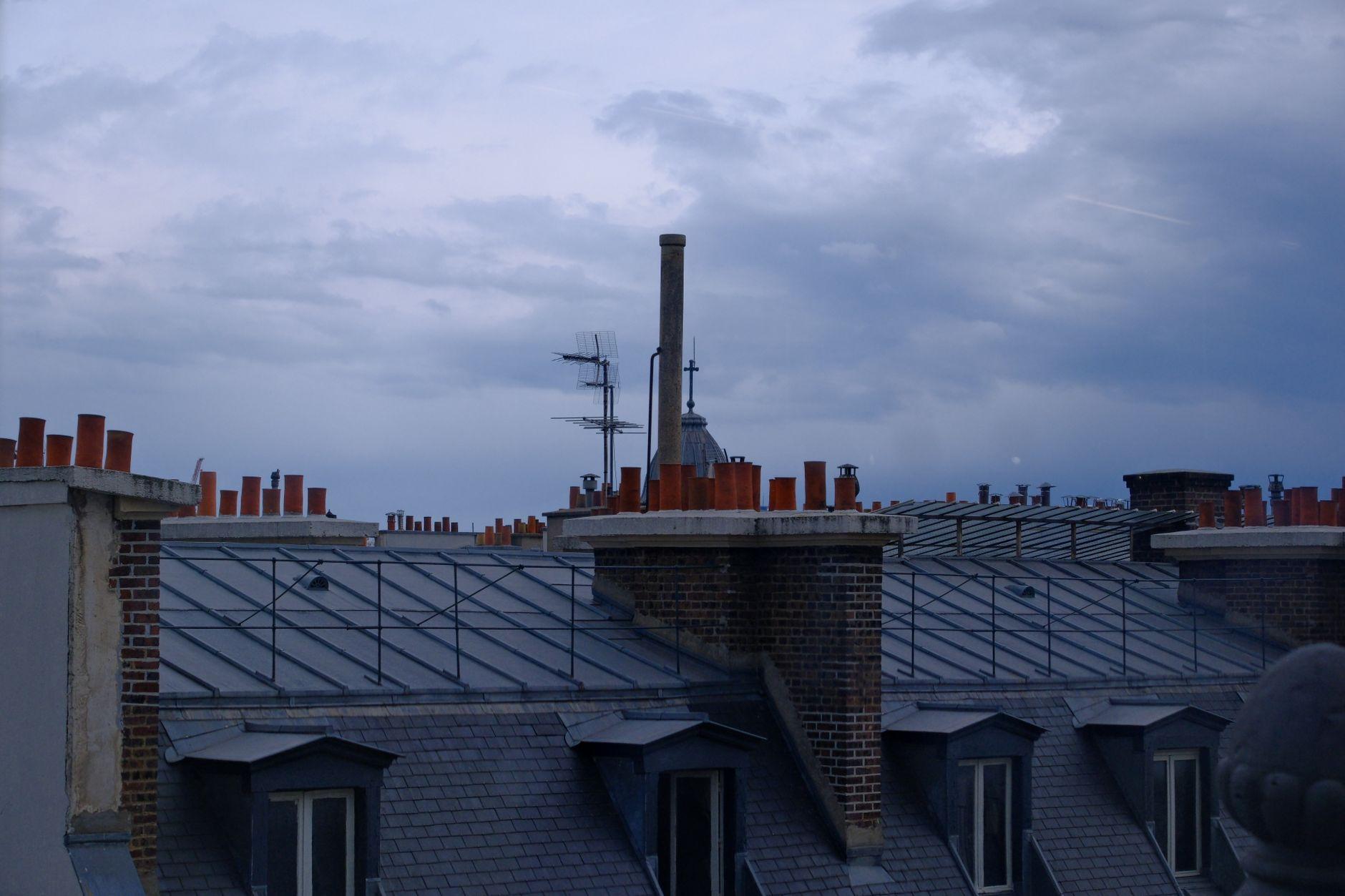
Most insert buyers start with the smoke
Very few people in Culver City call us about a gas insert because they want a new look. They call because of the smoke. The living room still smells of the fire the next morning. The neighbor whose bedroom window faces the chimney shuts it whenever the flue starts to puff. And through the winter there are evenings when South Coast AQMD declares a no-burn day and the wood fireplace has to sit cold anyway.
A sealed gas insert answers all three. The flame burns inside a closed steel box with a glass front, the exhaust leaves through its own pipe run up the old flue, and what comes back into the room is warm air rather than wood smoke. The next question is always the price, so this page gives our figures and the things that move them.
Our installed figures
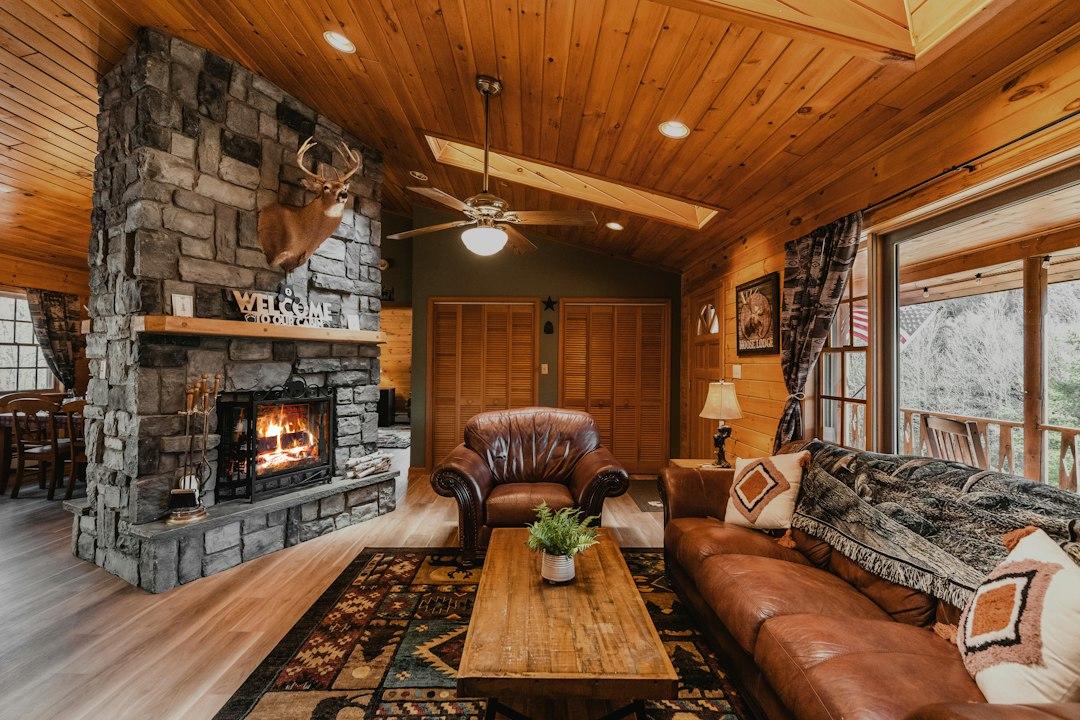
Fitting an insert into the masonry fireplace you already own costs $2,800 to $5,600, installed. That covers the unit, the vent pipe up the existing chimney, the gas hookup at the firebox and lighting it with you on the day.
A room with no fireplace at all is another job. There, a sealed unit is framed into a wall and vents straight out through the wall or roof, and that work runs $4,500 to $9,000.
Before either, the chimney gets looked at. Our chimney sweep is from $420, and a Level 2 inspection, which puts a video scope through the flue, is $390. Both can happen on the same visit that measures the opening.
Five things that set your figure
Where your house lands inside the range depends on these:
- The unit itself. A plain heater with a modest glass face sits near the bottom. A wide picture window, a blower, a wall thermostat and decorative liner panels push it up.
- The shape of the opening. Older Culver City bungalows often have shallow, arched or unusually tall fireboxes. The surround has to close the gap around the insert neatly, and an odd shape needs a made-to-size panel.
- The vent run. An insert here usually takes a pair of flexible stainless pipes, or a coaxial pair, the full height of the flue. A two-story stack needs a lot more pipe than a single-story ranch.
- Gas at the hearth. If a log-lighter valve already sits in the firebox, the line may be close to the size the insert needs. If there is no gas at the hearth, a line is run, and that is included in the written figure.
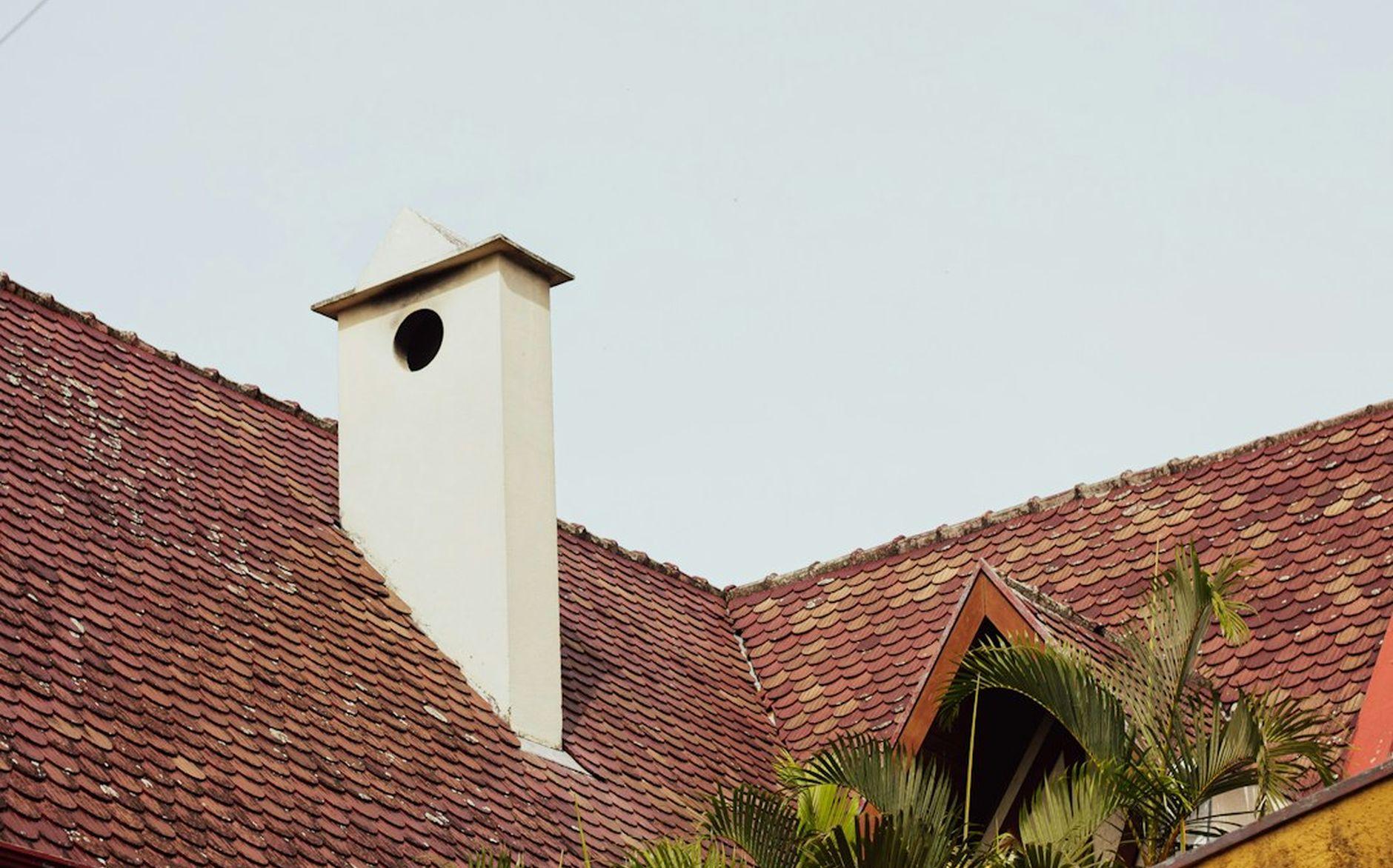
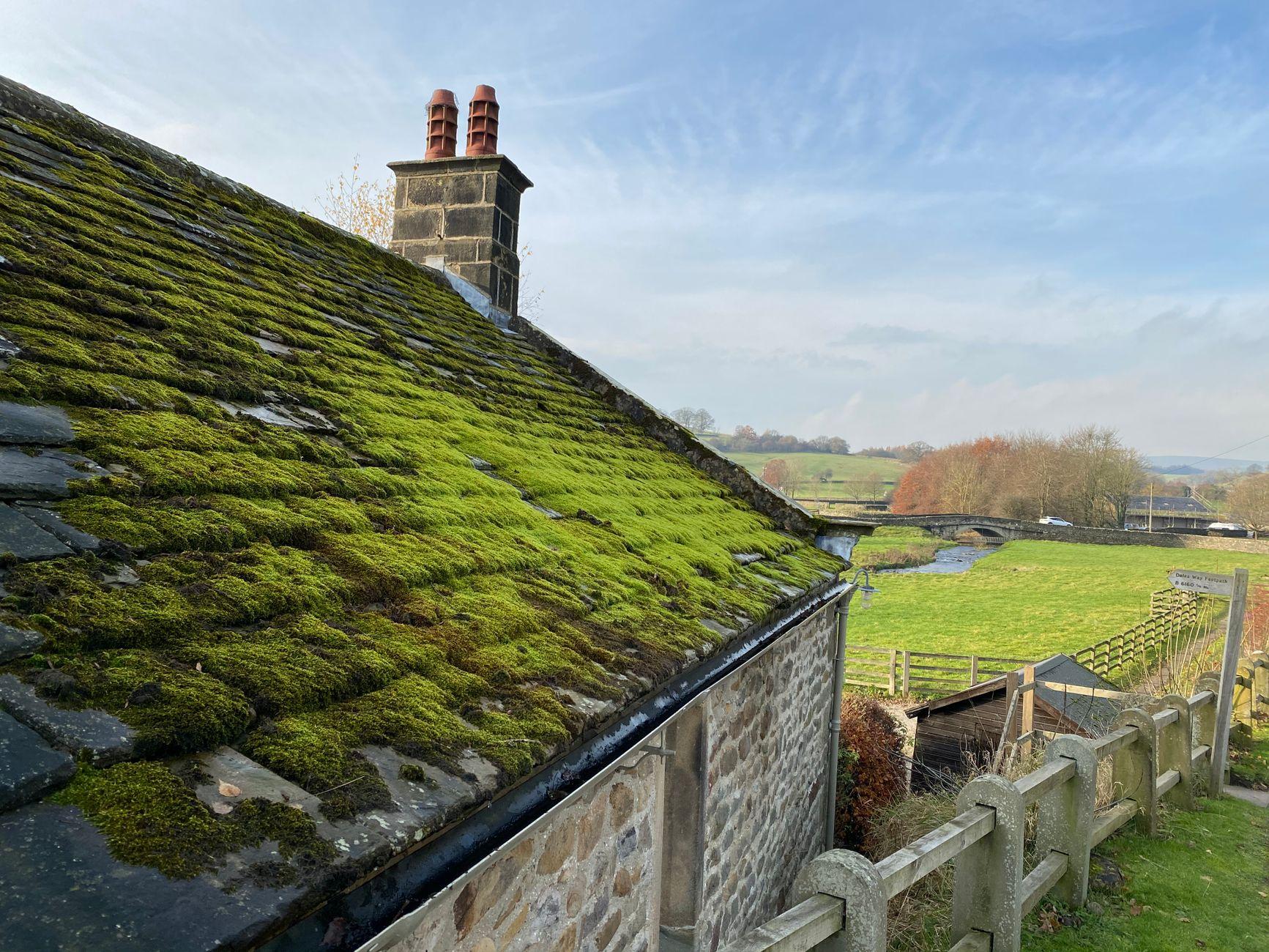
- The top of the chimney. The vent pipes exit through the crown and cap. A crown with open cracks or a rusted cap is noted before you choose a unit, so the repair can be done first or priced alongside.
Once the opening has been measured and the flue scoped, the written quote names one unit, one vent route and one figure. Ask for an insert quote with the opening measured
What changes in the house
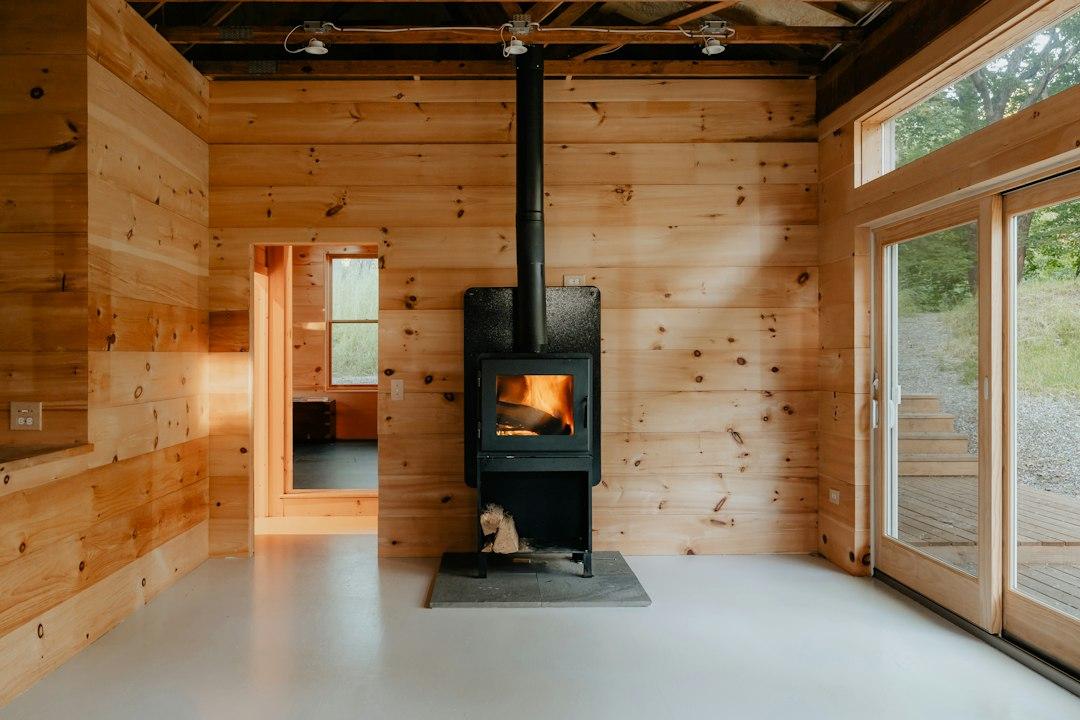
An open wood hearth sends most of its heat up the chimney along with the smoke, and it pulls warm room air in to feed itself. A sealed insert reverses that. Room air never touches the flame, the glass stays closed, and a blower or plain convection pushes warmed air out across the floor.
Clients tend to report three things after the first week:
- The morning-after smell is gone.
- There is no ash to carry out and no soot on the mantel.
- The fire can still be lit on a no-burn night, because a gas fire is not what the wood-burning curtailment targets.
For a household with someone who wheezes in winter, or a duplex where the neighbor shares a wall, that alone justifies the change.
Gas products we do not fit
Not every gas product is suited to a client who came to us about indoor air. A vent-free log set releases its combustion gases straight into the room, so we do not install them. A decorative log set burning with the damper open sends most of its warmth outdoors and is mainly for looks. If what you want is less smoke and more heat, a sealed, vented insert is the product that does both.
Sometimes the honest answer is that the old fireplace should stay a wood hearth with cleaner burning habits, or be closed off. We will say so when that is the case.
A wood stove instead
Some owners still want a real wood fire. A modern wood stove insert built to current EPA smoke limits burns far cleaner than an open hearth, with a second combustion stage that burns off much of the smoke before it reaches the flue. It is still wood, though, and still sits idle on a no-burn day. If that is your direction, read what to ask before hiring for wood stove work and how an open hearth compares with an insert on smoke.
What the measuring visit includes
On that first visit the technician will:
- Sweep the flue if it has burned wood, since a vent pipe should not be dropped through soot
- Scope the flue and look at the damper area the pipes will pass through
- Measure the opening, the hearth depth and the distance to the mantel and any wood trim
- Find out whether gas reaches the hearth and what size the line is
- Write a single quote with the unit model and the venting parts named
You receive the quote and the photos in writing. Nothing is installed on that visit, and the choice of unit stays with you. More detail on the work itself sits on our fireplace inserts page.
Where we fit them
We install inserts across Culver City, Inglewood, Lawndale and Manhattan Beach. Closer to the beach the salt air eats plain steel, so the vent terminations and caps we specify near the coast are stainless.
Ready when the smoke is
If the living room fire has become the thing your household and your neighbors notice most, tell us about the fireplace on our contact page and we will set up the measuring visit.
Want a Cleaner Fire at Home?
Dexter Chimney Sweep works from Culver City. We test the draft, name what is holding the fire back and put each fix in writing, with an insert or gas logs priced alongside when they would do more than a repair.